Tampa Bay has built a genuine track record of winning business investment. As I’ve said before, talent is the number one reason companies choose to relocate or expand here. That reputation didn’t happen by accident, and it won’t sustain itself automatically either.
Here’s a challenge business leaders need to understand that could impact our future success. Over the next five to ten years, thousands of our region’s most experienced workers including welders, technicians, EMTs and paramedics, and other skilled trades professionals are approaching retirement. Right now, there aren’t enough younger workers positioned to replace them. If that gap widens, it won’t just affect the companies directly employing these workers. It will affect every business that depends on functioning infrastructure, healthcare systems, and manufacturing capacity to operate and grow here.
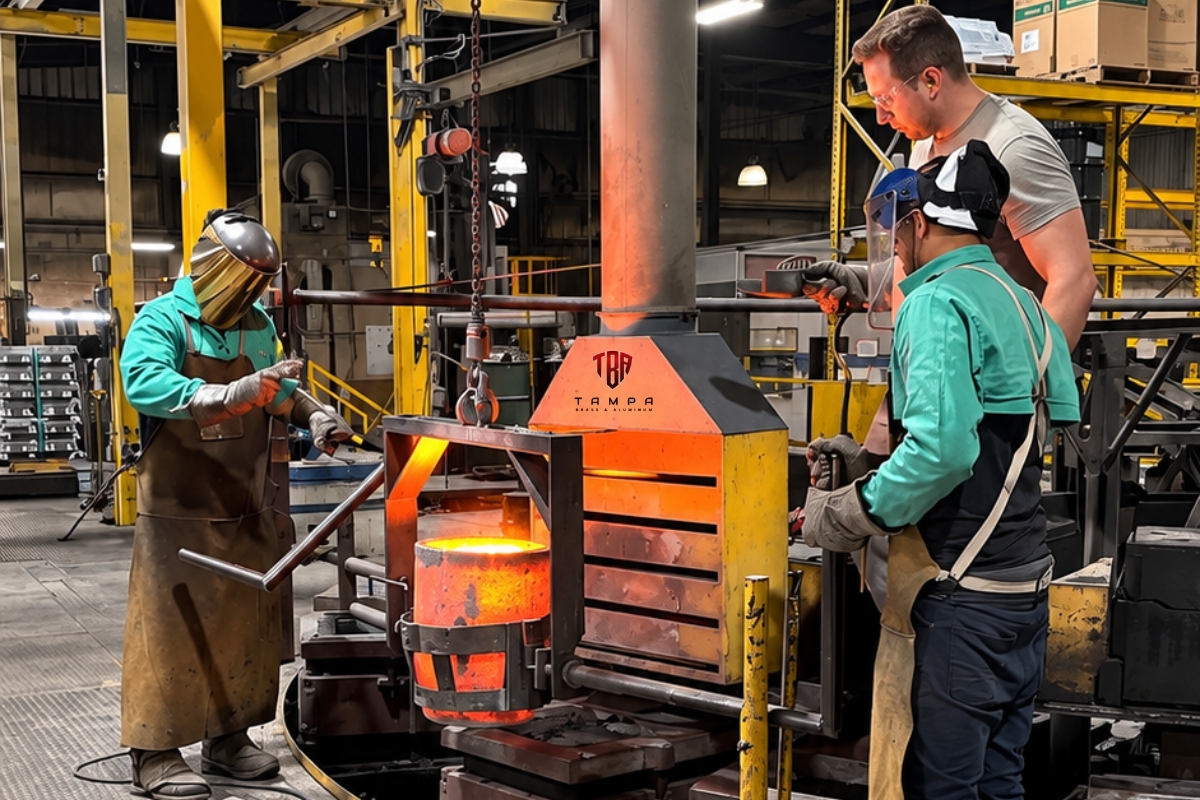
The scale of the shortage is already visible. The American Welding Society projects that the U.S. will need roughly 330,000 new welding professionals by 2028, with about 80,000 positions to fill annually through 2029. That demand will be felt locally across our shipyards, manufacturing plants, marine repair companies, and aerospace and defense suppliers. In vital sectors like emergency medical services, Hillsborough College’s CAAHEP-accredited Paramedic Program recently posted a 94.5% graduate placement rate — proof that trained talent gets absorbed by employers almost immediately.
At the same time, something important is shifting in how young workers think about career security. Gen Z has watched student debt weigh down the previous generation and is now watching AI reshape which white-collar jobs are considered “safe.” A four-year degree no longer feels like the guaranteed path to stability it once was. Skilled trades and technical credentials, by contrast, offer something increasingly rare: hands-on work that can’t be automated, a fast and affordable path to a paycheck, and real, visible wage growth tied to demand employers can’t fill.
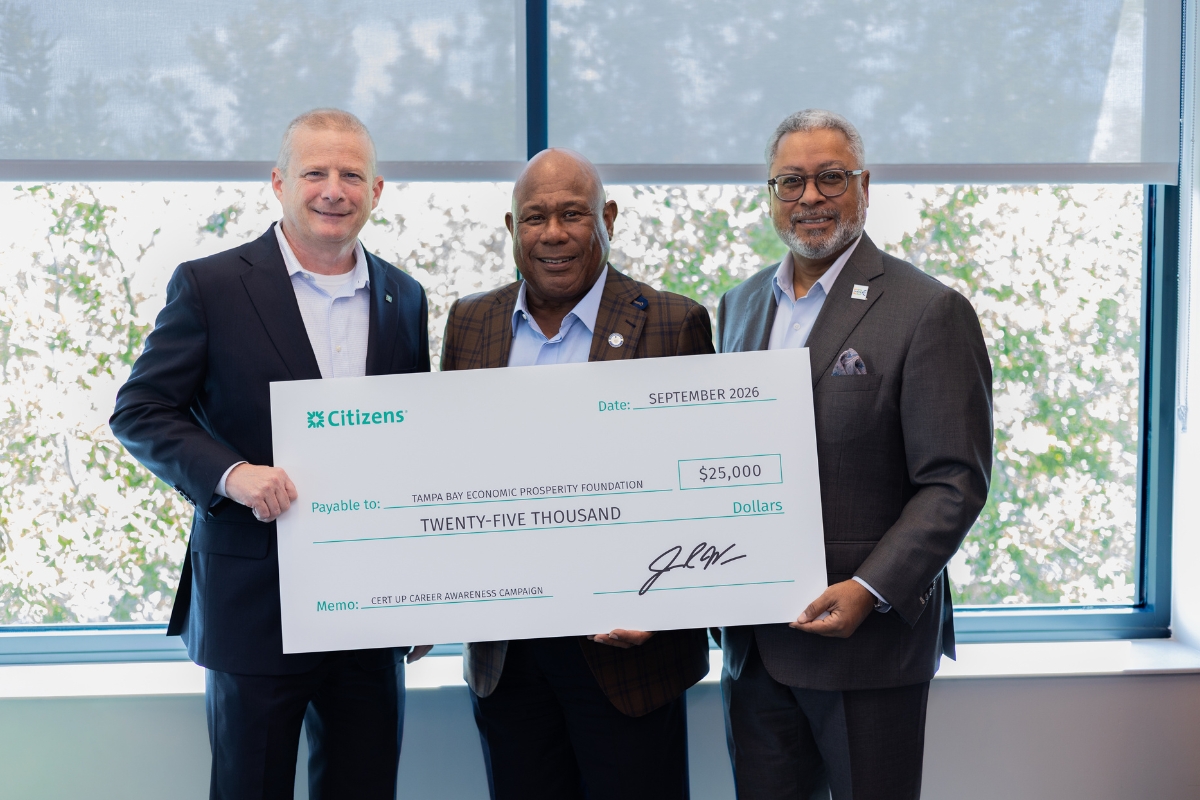
That shift in perception is exactly what our Tampa Bay Economic Prosperity Foundation’s CertUp campaign has spent the past five years working to accelerate, in partnership with Hillsborough College. CertUp closes the awareness gap between where the jobs are and what young people and career-changers think their options are, showing them that welding, collision repair, and EMS aren’t fallback choices, but smart, forward-looking careers with real earning potential.
However, awareness alone won’t close this gap. Business leaders and community partners have a role to play as well. There are opportunities to create more apprenticeships and paid internships that give students real workplace experience before graduation. Opportunities exist to partner with Hillsborough College and other institutions on curriculum so that training keeps pace with actual equipment and techniques used on the job. Tuition assistance or sign-on incentives for credentials can also make skilled trade and technical field options more attractive. Making sure these career paths are visible in our schools, our hiring practices, and our public conversation about what a “good job” looks like should also become more commonplace.
Tampa Bay’s growth has been built on attracting great companies. Sustaining it will depend on making sure we have the workforce ready to support them.

Craig